Wine Route: 4 remarkable churches to discover near Colmar
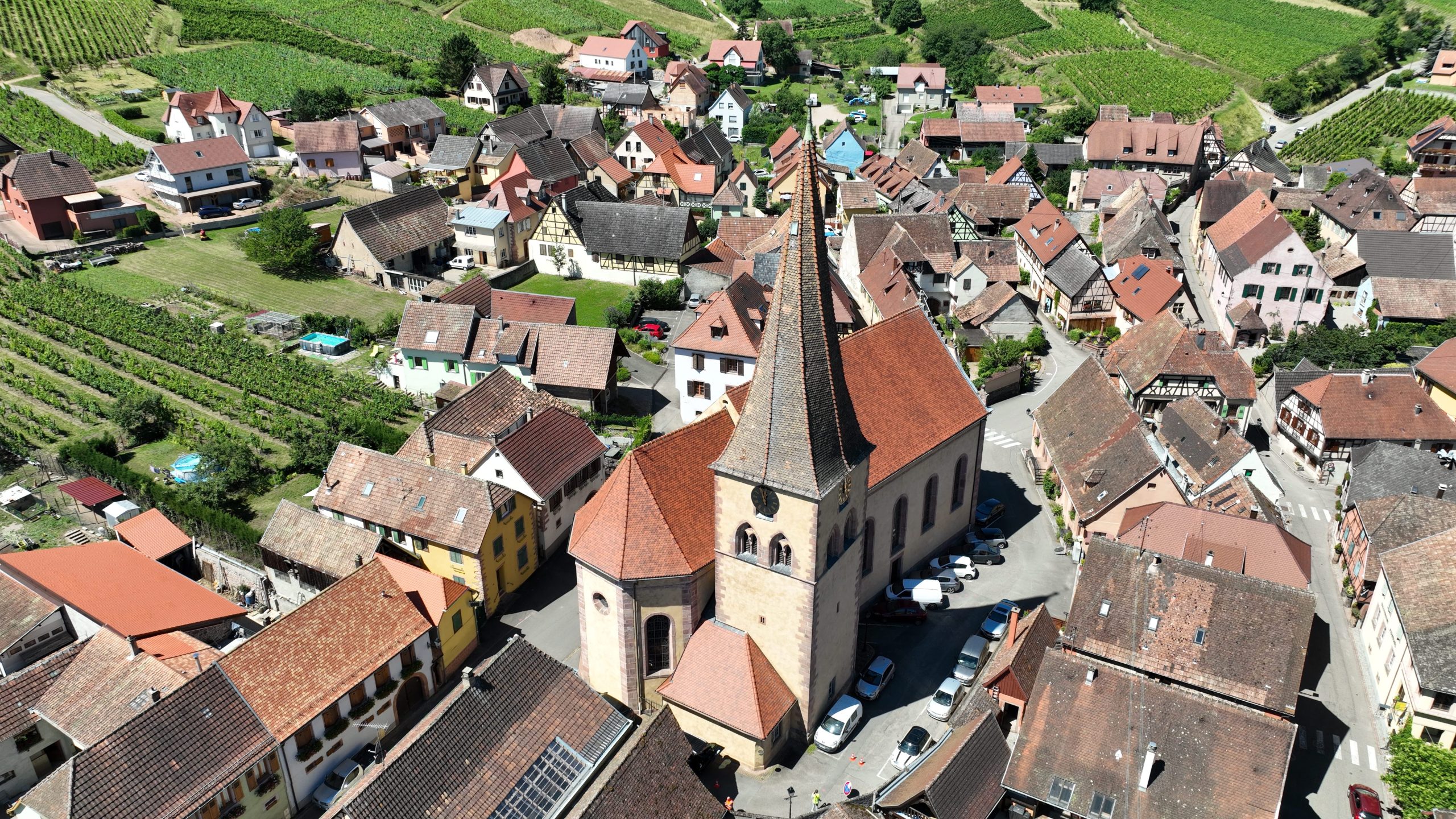
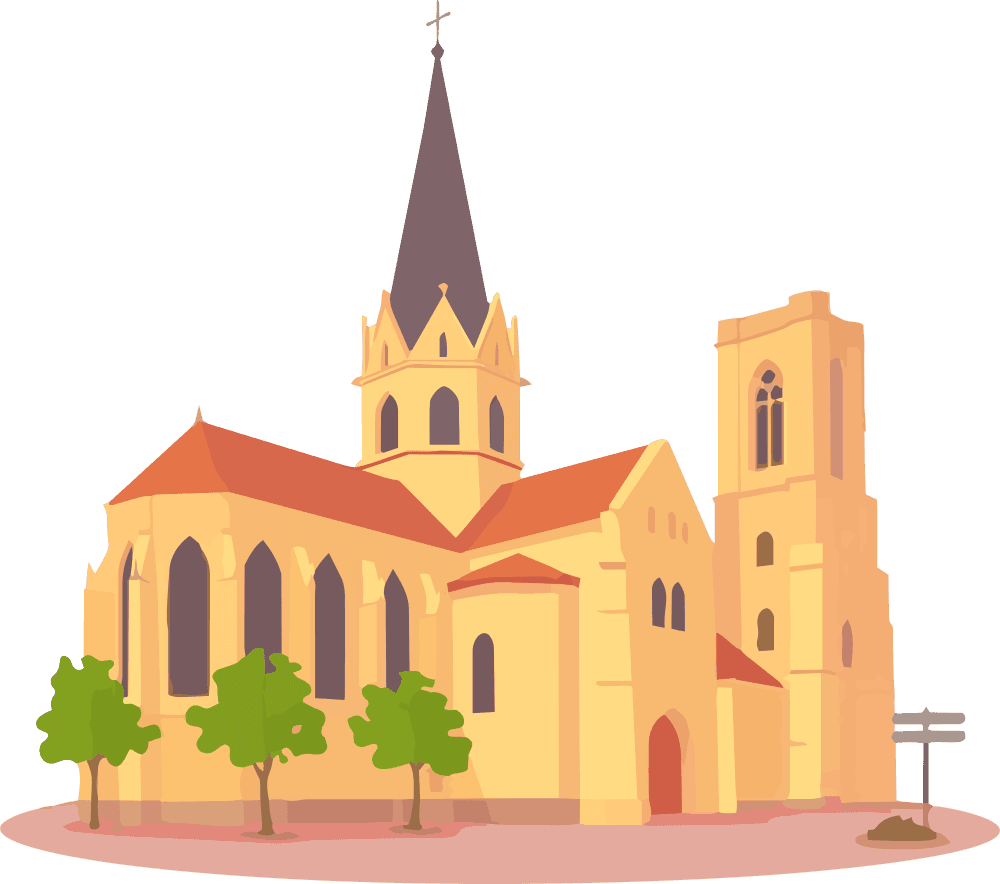
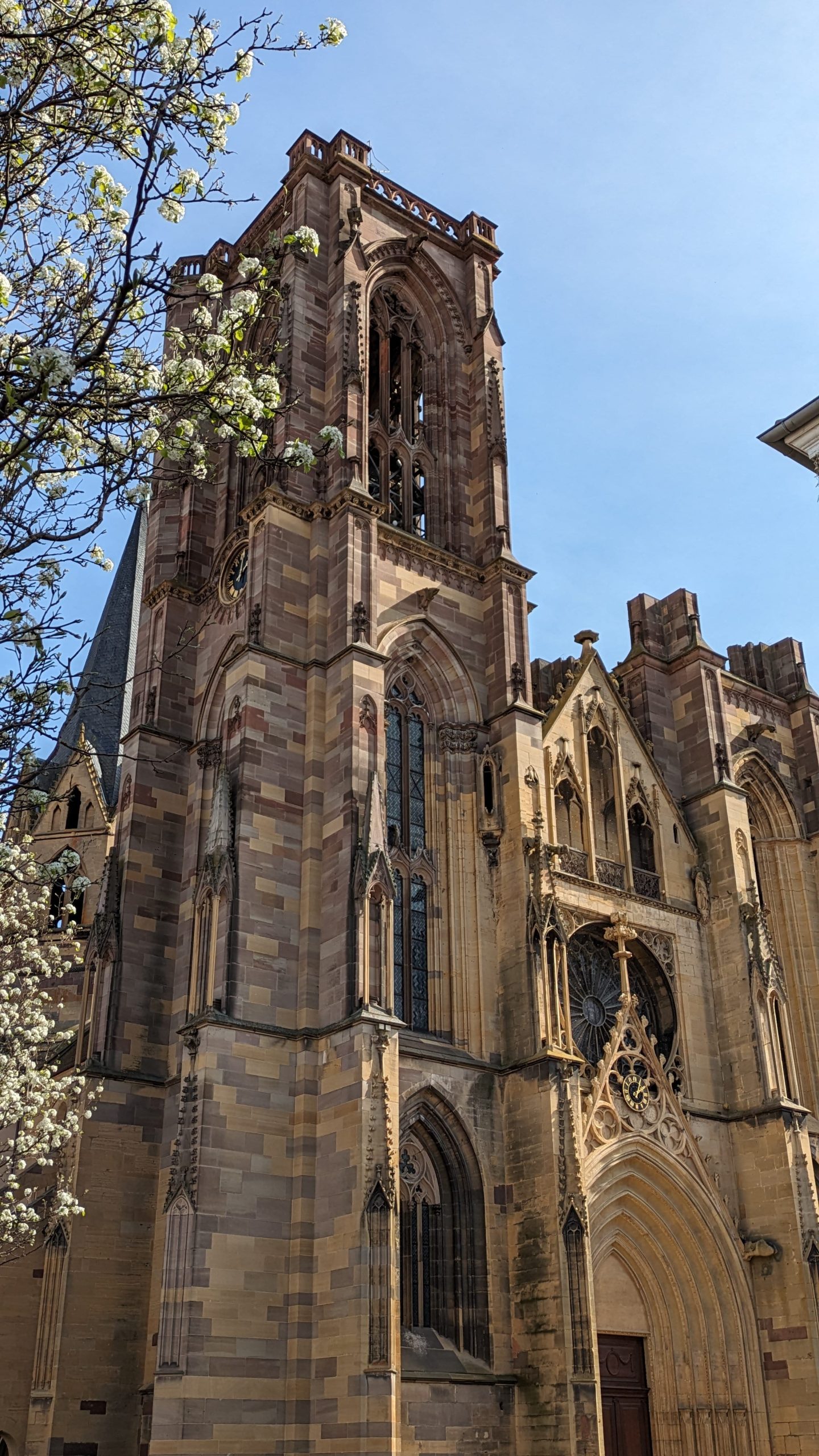
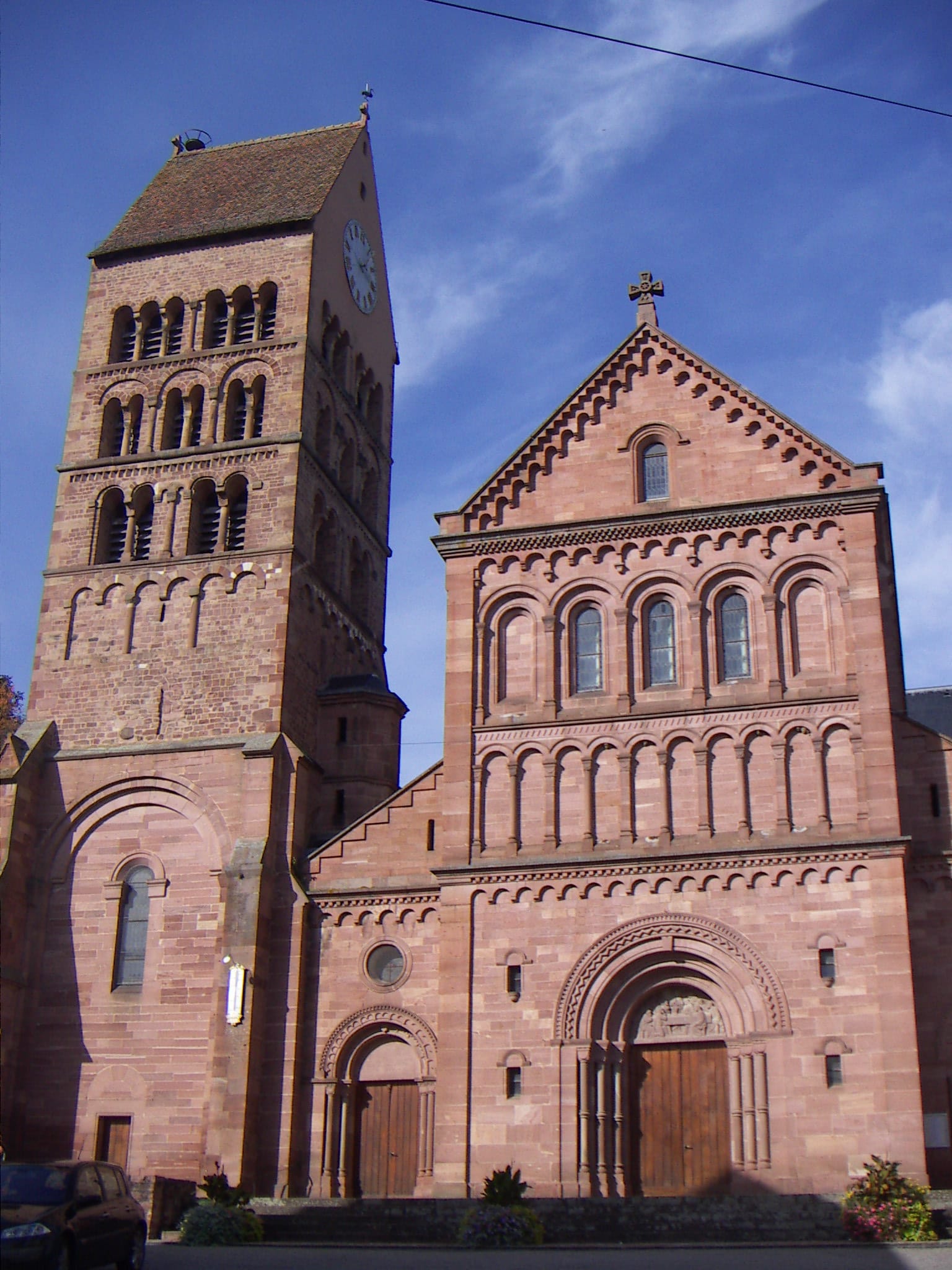
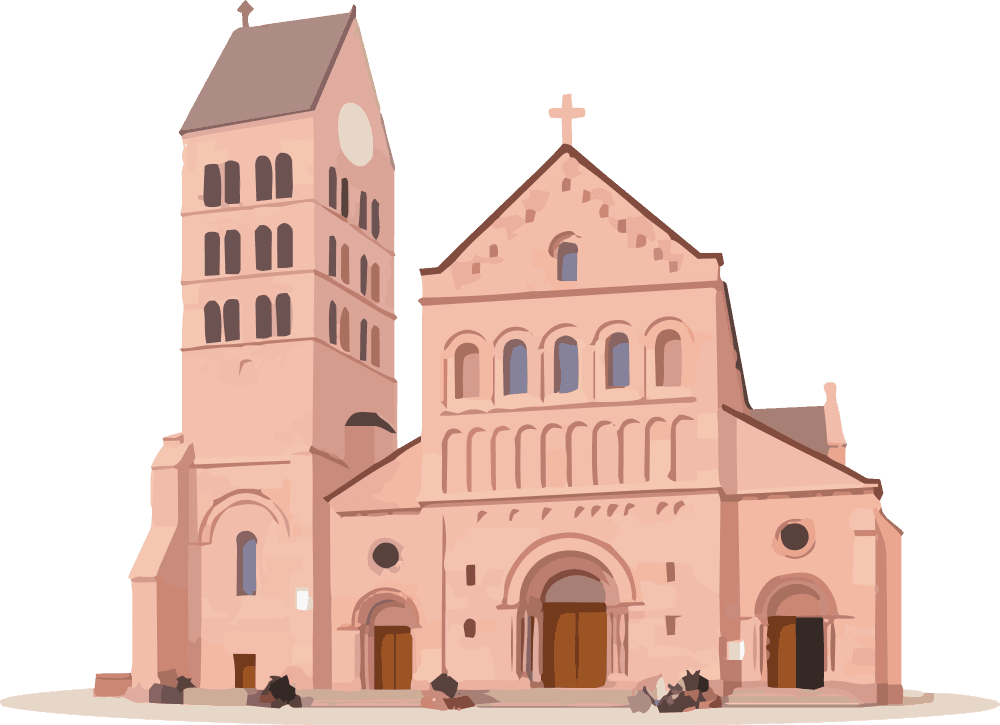
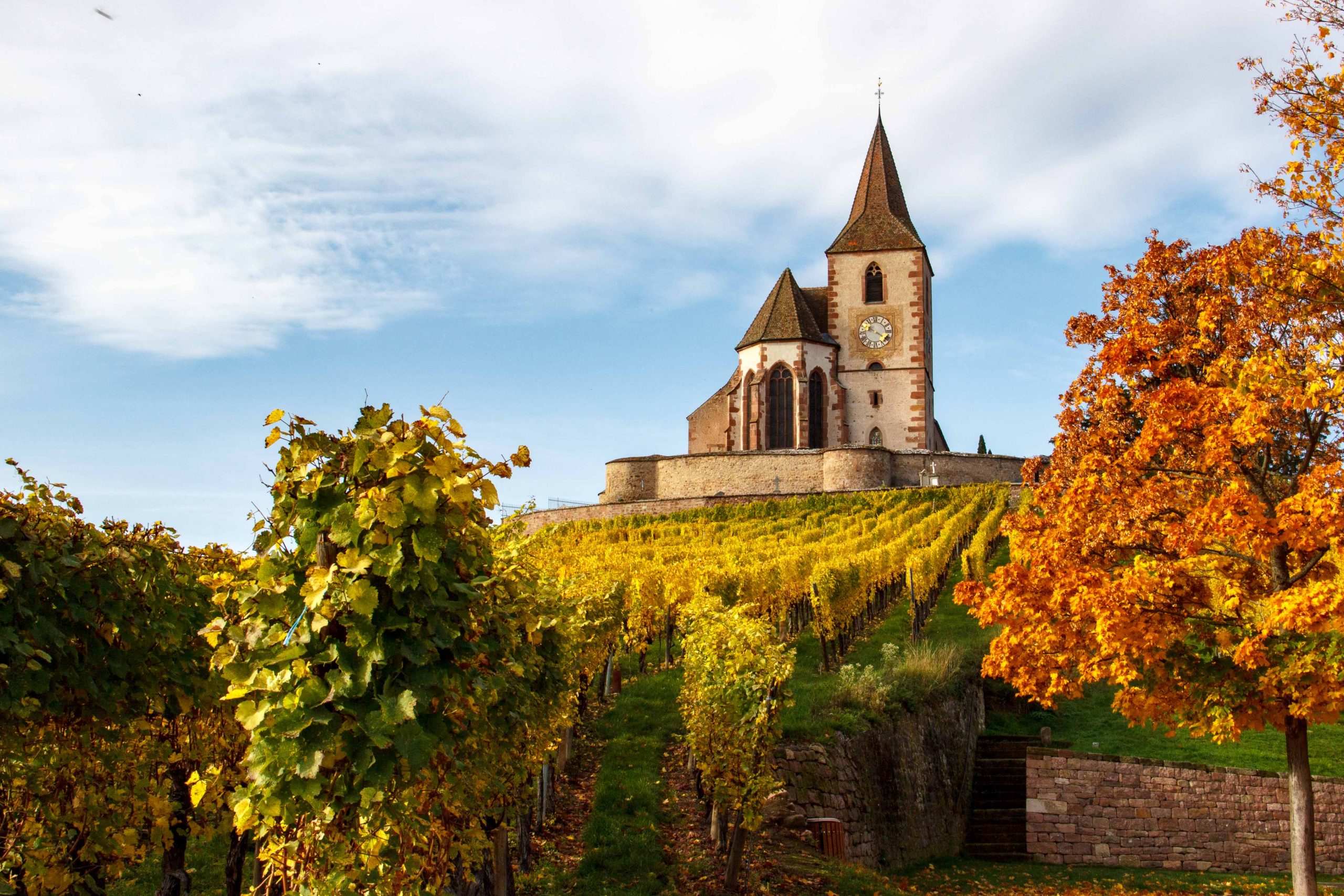
In the Land of Colmar, it’s sometimes enough to look up and see a bell tower protruding from the village rooftops. At the bend in a cobbled street or in the middle of the vineyards, the churches tell another story of the Alsace vineyards: that of stone, centuries of history and architecture that changes from village to village. This itinerary between Rouffach, Gueberschwihr, Niedermorschwihr and Hunawihr is a leisurely stroll along the Alsace Wine Route. Four stops, four different atmospheres, and always the impression of entering a place that has been part of the landscape for generations. The day begins in Rouffach, a small wine-growing town south of Colmar. In the main square, you can’t miss the church of Notre-Dame de l’Assomption. Its bell tower rises above the houses and serves as a landmark throughout the vineyards. As you approach, the yellow sandstone façade reveals its details: sculptures, Gothic arches, traces of earlier Romanesque architecture. There’s something monumental about the whole for a town of this size. Inside, the atmosphere is calm and bright. The vaults rise high, and the nave seems almost out of proportion to the square outside. We walk for a few moments in silence, letting our gaze wander up to the pillars and stained glass windows. On the way out, the terraces and picturesque little streets of Rouffach’s town center prolong the stroll in a lively atmosphere. The road continues through the vineyards to Gueberschwihr. Here, the village seems more discreet, almost hidden between the hills. On a small square lined with old houses stands the church of Saint-Pantaléon, one of Alsace’s finest Romanesque churches. Its square steeple and thick walls give an immediate impression of solidity. Pushing open the door, the atmosphere changes completely. The light is softer, the ancient stonework absorbs noise and you immediately feel the building’s ancient character. In the nave, your gaze is often drawn to the sculpted Romanesque Christ, a medieval work of art that naturally catches the eye. Then you emerge into the small square, where the silence of the village contrasts with the Wine Route just a few steps away. A few kilometers further on, a detail immediately catches the eye as you arrive in Niedermorschwihr. Above the houses appears a spire that seems to turn on itself: the twisted steeple of the Saint-Gall church. Local legend has it that the devil twisted it during construction. In reality, it was the movement of the timber that gradually gave the spire its twisted shape. Inside, the church holds another surprise: a richly decorated Baroque altarpiece, with gilding and carvings. An unexpected contrast in this small wine-growing village surrounded by vineyards. For the final stage, we head to Hunawihr! From the main street, a narrow path leads up to the church of Saint-Jacques-le-Majeur. Gradually, you leave the houses behind and enter the fortified cemetery that surrounds the building. The thick walls and old defensive openings are a reminder that the church once served as a refuge for the inhabitants. Once at the top, the panorama opens out over the vineyards of Alsace and the rooftops of the village. The place is often peaceful: a few visitors walk between the graves, the wind rustles through the trees and the view reaches far into the hills. Between heritage, architecture and vineyard landscapes, this itinerary around Colmar offers another way to explore the Wine Route: taking the time to enter the villages… and sometimes their churches too. Bell towers of the Alsace vineyards
Four villages, four churches, one story
Rouffach
A church that dominates the city
Gueberschwihr
Romanesque atmosphere
Niedermorschwihr
The intriguing bell tower
Hunawihr
A church among the vines
Another way to discover the Wine Route